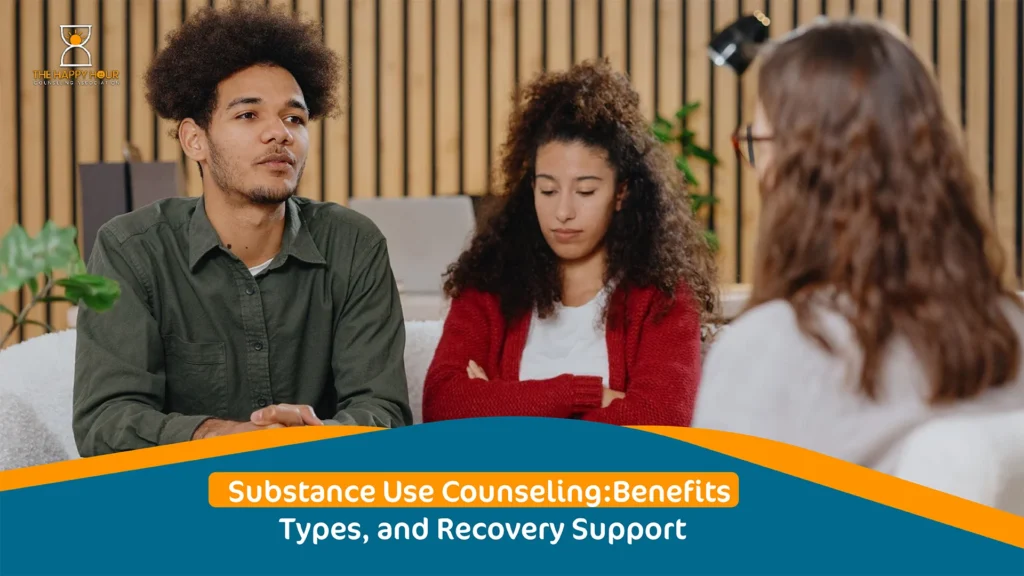
Substance abuse counseling is a prearranged procedure of behavior therapy which aims to tackle psychological, behavioral, and sociological factors involved in substance abuse. This is an area where the need for counseling is quite high, since WHO reports that 39.5 million people had drug use disorders in 2021, and alcohol use disorders were prevalent among 400 million people.
Studies disclose that counseling is a valuable treatment option, particularly when behavioral therapy is designated based on individual needs. The National Institute on Drug Abuse (NIDA) considers behavioral therapy a key element of prolonged care, whereas 2024 US data reveals that there were 48.4 million Americans with substance use disorder in the past year, of whom only 12.3% got treated.
What Is Substance Use Counseling?
Substance abuse counseling is an evidence-based practice in the field of behavioral health which enables individuals to explore their relationship with substances and its influence on their thoughts, feelings, actions, and relations. An experienced counselor can employ cognitive behavioral therapy, motivational techniques, and relapse prevention among other methodologies in order to detect the trigger factors and change their damaging behavior patterns.
Counseling is different from medical treatment in that it focuses more on behavioral and psychological causes of addiction while medication can be taken for withdrawal symptoms, cravings or dependence. This is important since substance abuse problems usually need various treatments and not counseling alone. The SAMHSA recommends a holistic approach through counseling and behavioral treatments with medication. For opiate dependence, methadone, buprenorphine and naltrexone can be taken. Personalized substance use counseling services can help individuals understand causes, address harmful patterns, develop coping skills, and work toward sustainable recovery.
Signs You May Benefit from Substance Use Counseling
SUD symptoms identification is carried out through looking at the patterns that exist in terms of control, consequences, motivation, and functionality and not by counting frequencies. Counseling may now begin to be considered if the use of drugs continues to interfere with responsibilities, relationships, emotional stability, and reducing drug consumption.
Difficulty Controlling Use
The problem arises when a person fails to control their use of substances, as their usage frequently exceeds the level that he or she initially intended. It is possible that a person intends to reduce his or her use but always reverts back to old patterns of use. It is not just about frequency but also about being able to regulate one’s use.
Increasing Time Investment
Substance abuse may take more time as a result of acquiring the substances, getting ready to consume them, using them, and recovering from their use. With the increase in the amount of time taken up, other activities may be neglected. This, therefore, makes changes in daily life a good indicator of increasing substance abuse problems.
Continued Use Despite Consequences
The continued use of the substances in spite of recurring issues at home, at work, in school, and within personal relationships indicates that the immediate benefits from the use of the substance may be out-weighing the realization of the long-term consequences associated with this type of behavior.
Using Substances for Coping
Engaging in substance use in order to cope with stress, anxiety, loneliness, anger, and other emotions can lead to an individual falling into a reinforcing loop. The individual is likely to experience temporary relief, and that may lead him/her to associate negative emotions with substance abuse, which prevents the development of alternative mechanisms for coping.
Repeated Attempts Without Success
Inconsistencies between the intent to reduce or cease using substances and the inability to do so successfully can point to the fact that intentions alone cannot modify a behavior that has already become habitual. Even though an individual knows about the negative impact of their behavior, they have difficulty coping with urges, triggers, emotions, or habits.
Cravings And Withdrawal
Cravings are defined as intense urges or persistent thoughts regarding the acquisition or consumption of substances. On the other hand, withdrawal occurs when an individual experiences either psychological or physiological effects when cutting back or discontinuing specific substances. Their occurrence makes it difficult for an individual to attempt any change in their use.
Concern From Others
The worry of someone who is close to the person concerned, be it family member, friend, or colleague, may shed light on behavioral problems of which the person may have been unaware or oblivious. Worry from some other person by itself cannot be used to identify the presence of substance use disorder.
Without Blame or Judgment
Problematic use of substances is not to be taken as an indication that the individual’s character needs improvement, but that there is something worth understanding going on. Feeling shame and being blamed will only lead to more defense mechanisms which will prevent an open discussion regarding the issue. The better way to look at it is from an objective point of view.
Professional Assessment Matters
Self-recognition helps to detect any patterns that may be cause for concern; however, ascertaining whether these patterns constitute a substance abuse problem needs to factor in many aspects such as symptoms, time frame, seriousness of the problem, the kind of drug used, and personal factors. A professional evaluation offers a better starting point for making such judgments.
Types of Substance Use Counseling
Counseling for substance abuse is not a standardized process since different methods cater to various mechanisms that cause abuse. There are different types of counseling such as individual, cognitive behavioral therapy, group counseling, family counseling, and substance counseling that could be used. The choice of counseling will depend on certain factors.
Individual Therapy Sessions
Therapy that is individual gives a person alone time with a counselor or therapist, which allows for an analysis of his substance use. This form of therapy can focus on anything from triggers, cravings, thought processes, emotions, behaviors, and relationships, to setting goals for recovery. Individual therapy allows for the adaptation of treatment techniques. Through individual counseling services, people can receive person-to-person support for behavioral patterns, emotional concerns, personal challenges, and recovery goals.
Cognitive Behavioral Therapy
CBT looks into the connection between our thoughts, feelings, and behaviors as a way of maintaining our use of substances. We can be able to identify any situation that leads us to use, identify any unhelpful thought processes, and try new ways of behaving when facing such situations. Unlike other therapies, CBT teaches us skills to deal with our substance-use problem.
Group Therapy Sessions
Group therapy is a method that involves placing people having similar problems in recovery into a therapeutic group headed by a professional. People have an opportunity to look at their common problems, learn communication skills, get feedback, and see various ways of coping. Group therapy may decrease isolation and make one accountable but only when facilitated effectively.
Family Therapy Approaches
Family therapy looks at the issue of substance abuse in the context of the larger family system rather than viewing it as an isolated problem for an individual. A person’s continual substance abuse issues may affect the way family members communicate, the level of trust, their roles and responsibilities, boundaries, and conflict resolution styles. Family counseling services can support families affected by substance use by improving communication which establishes healthy boundaries, and address relationship challenges.
Alcohol And Drug Counseling
Alcohol and drug counseling deals with problems or issues that are connected to alcohol, prescribed drugs, illicit drugs, or combinations of drugs. The type of counseling that one may undergo needs to be based on the drug at issue, the usage patterns, the risks involved, psychological components, and the goals of the individual. Not all forms of counseling fit everybody.
Benefits of Substance Use Counseling
It is possible that the process of substance abuse counseling can affect the recovery process since it deals with behavioral, emotional, cognitive, and interpersonal issues that perpetuate substance abuse behavior. The importance of substance abuse counseling is much more than simply reducing substance abuse; it helps one get acquainted with his or her own behavior and develop various skills, among others.
Better Understanding Patterns
This is done through counseling where the person gets to know at what point, place, and reason s/he takes the substances. By knowing the triggers, feelings, actions, and other external things that make the person become addicted, it becomes clearer. It becomes easier for one to differentiate the triggers.
Developing Healthy Coping
Good coping includes learning how not to rely on substances for dealing with stressful or emotionally painful situations. The counselor can assist the client in acquiring certain skills related to managing emotions, problem solving, stress management, and routine building. These strategies will enable a different behavioral reaction in times of cravings or other stressful situations.
Improving Relationships
Substance abuse may affect communication, dependability, trust and boundaries. Counselling could assist an individual to look at his or her actions and learn to communicate better. It may also assist one to differentiate between helpful involvement and enabling, where boundaries could be set and support be provided.
Supporting Recovery Goals
It becomes easier to recover when broader goals are turned into tangible objectives. Counseling can enable the person to set their priorities straight and come up with realistic behavior goals, evaluate their performance, and change tactics when conditions change. Failures will become sources of knowledge regarding ineffective approaches or emerging threats.
Strengthening Relapse Prevention
Rehabilitation aims at anticipating the factors that would possibly heighten the chances of reverting back to the usage of drugs. Counseling helps one recognize signs and situations which are risky, moods and environmental influences, and patterns of thoughts. This allows one to prepare oneself for cravings and difficult situations so as not to act impulsively.
Increasing Emotional Awareness
The use of substances can be entangled with one’s feelings, thoughts, interactions with other people, and their reactions. The process of counseling allows them to reflect on how they relate, rather than react automatically due to feeling distressed. With improved emotional intelligence, people will be able to determine how they feel, why they behave in such a manner, and opt for better choices.
What to Expect from Substance Use Counseling
Assessment is the first step involved in substance abuse counseling, whereby a counselor assesses the following components: consumption patterns, attempts at behavioral change, physiological and psychological well-being, social relationships, functional capabilities, and the environment. Such information will be useful in determining the treatment priorities instead of using an already decided course of action. Goals for both short and long term that address such issues as triggers, coping, and communication will then be set.
Further sessions allow the examination of progress made, setbacks experienced, development of coping skills, and modification of treatments where necessary. The methods used in treatment vary from counseling, behavioral training, communication skills, among others. Different experiences are encountered depending on the individual and situations. It is important to clarify such things as confidentiality issues and record-keeping policies before starting. Somatic therapy services can support individuals exploring the connection between physical sensations, stress responses, emotional experiences, and behavioral patterns.
How to Support Someone with Addiction
It is essential to have empathy and clear boundaries in working with an addict. Voice your concerns in a calm way, listen to him or her without accusations, and do not label. Suggest professional help from counselors who specialize in the substance abuse problem, and provide help with the research and arranging the visit. Do not give the addict money or solve his/her problems caused by the addiction.
It is better when family involvement does not turn into control since it is almost impossible to force someone to stay in recovery. The family should respect the addict’s independence but set boundaries related to safety issues, financial matters, communication, and responsibilities at home. There is family therapy for addicts that can work on conflicts and enablership.
Substance Use Counseling and Recovery Support
The concept of recovery should be viewed as a process, not just one treatment episode, because the dynamics in the use of substances may evolve with time, and coping mechanisms may be required to be changed. Continuing counseling sessions after receiving an intensive treatment program would help people reevaluate the risks and cope with newly emerging issues that could prevent them from substance use and jeopardize their recovery process.
Continuing counseling can be in the form of individual or group counseling. While individual counseling will enable people to examine their triggers and how their behavior and emotions have been influenced, group counseling will expose people to experiences, feedback, and a sense of accountability to other people. Peer support communities can enhance the quality of professional treatment by reducing isolation and enabling consistent social connections for people who find themselves in conditions that have previously led them to substance abuse.
However, the type of recovery assistance ought to be individualized rather than following a set prescription. Family dynamics, environment, habits, work, hobbies, and personal satisfaction needs may influence the sustainability of the recovery effort. These factors could all form part of the recovery strategy such as counseling, support networks, engagement in productive activities and routines. When substance use affects a couple’s communication or trust, couples therapy can help partners address relationship difficulties and develop healthier ways to support recovery.
When to Seek Professional Help
The time when professional help should be sought arises when substance use starts causing negative impacts on one’s physical well-being, relationships, work, school, finances, or even on safety. If a person is unable to decrease his or her intake, increase in the amount, compulsion to consume, withdrawal symptoms, or constant problems despite trying to modify his or her conduct are present, then there may be a possibility that professional intervention is needed for the problem. Procrastination in this case would only aggravate the situation.
Going to counseling does not imply that one has reached a dead end. In any case, professional evaluation of the problem can determine the magnitude of one’s substance use and provide appropriate means to solve it without further deterioration of consequences. In cases of dependence and/or withdrawal, professional evaluation is especially necessary since there are certain withdrawal syndromes which cause serious medical problems. If there is acute intoxication, dangerous withdrawal symptoms, loss of consciousness, respiratory distress, or other medical emergencies, immediate emergency treatment is required.
Substance use disorders are a type of chronic condition characterized by enduring signs of the disorder, even when substance use causes harm to the user. Successful treatment requires personalized attention and can include a combination of outpatient counseling, behavioral healthcare services, inpatient treatment facilities, and medications. Medications for the treatment of opioid use disorder include methadone, buprenorphine, and naltrexone.
How Happy Hour Counseling Helps with Substance Use Counseling
Personalized substance abuse counseling is provided by the Happy Hour Counseling Association, with a goal of promoting accountability, resilience, and recovery. This is done by the integration of customized therapy in addition to focusing on the well-being of the patient’s emotions and behavior, where the patient is enabled to identify aspects of substance abuse and adopt coping mechanisms. Additionally, there is family counseling offered which deals with possible problems in communication and relationships, hence influencing recovery. Services are delivered by licensed therapists, even online counseling being offered to clients residing in Ohio.
FAQs
What is substance use counseling?
Substance use counseling helps individuals understand harmful patterns, manage triggers, develop coping strategies, and establish practical recovery goals.
What types of substance use counseling are available?
Common approaches include individual therapy, cognitive behavioral therapy, group counseling, family therapy, and substance-specific addiction counseling.
How can substance use counseling support recovery?
Counseling can improve emotional awareness, strengthen coping skills, address triggers, improve relationships, and support relapse-prevention planning.
When should someone seek substance use counseling?
Professional counseling may help when substance use affects health, relationships, responsibilities, finances, safety, or repeated attempts to reduce consumption.
Can family members participate in addiction counseling?
Yes. Family counseling can improve communication, establish boundaries, address conflict, and help relatives provide healthier, more constructive recovery support.