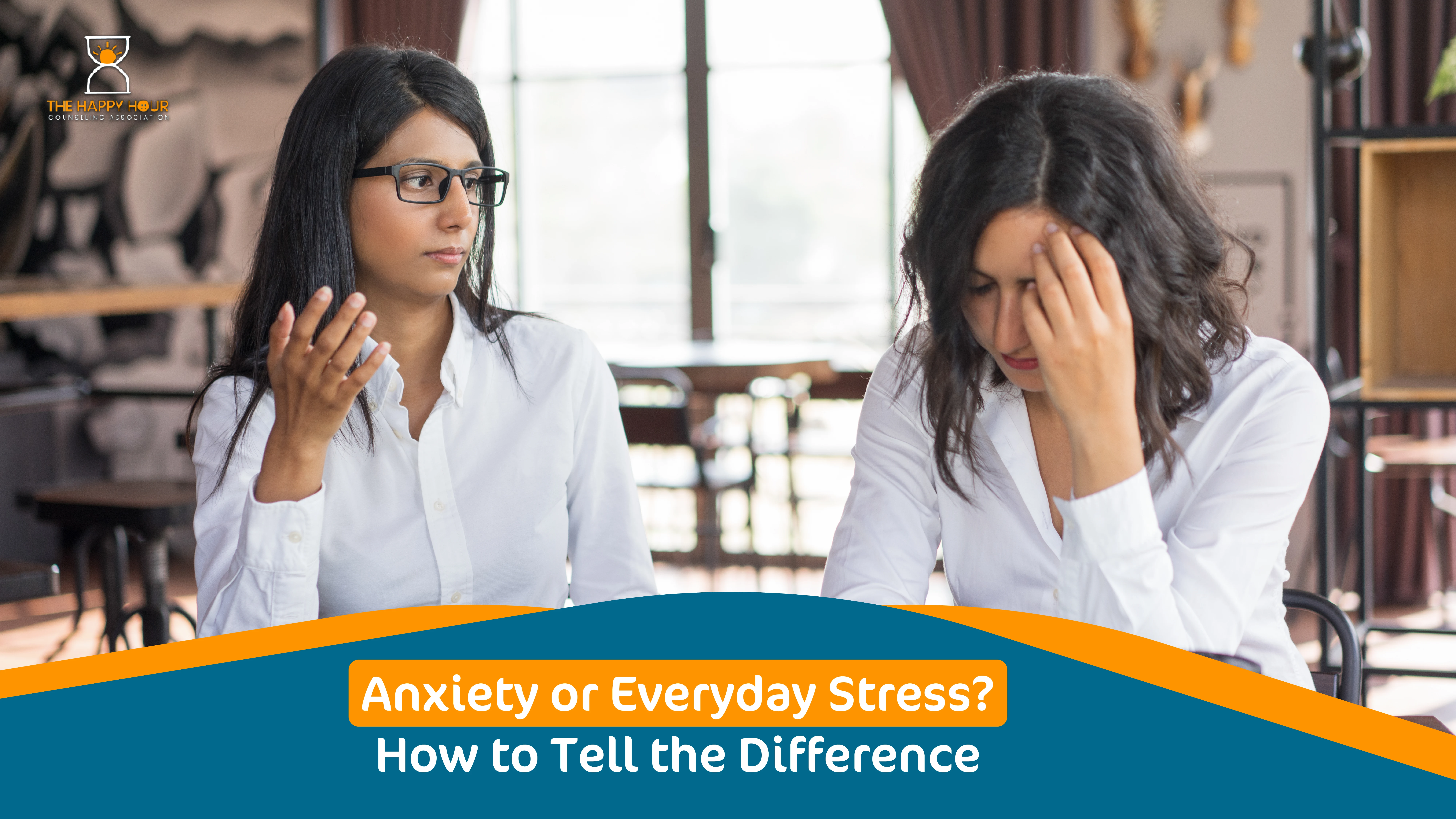
Either anxiety or stress could generate identical symptoms, which include insomnia, tension, fatigue, indigestion, irritability, palpitation, and lack of concentration. Nonetheless, the pattern itself may be different. According to the American Psychological Association, the stress reaction refers to a phenomenon that happens in relation to an external demand that usually can be identified, while constant anxiety can go on without any stressors at all. Understanding the difference between these two reactions can assist in identifying whether one has a mental problem.
Due to the significance of stress and anxiety and anxiety disorders, it is important to understand the distinction between stress and anxiety. For instance, according to the World Health Organization, about 470 million people were struggling with anxiety disorders worldwide in 2023, representing approximately 5.8 percent of the global population. It was also reported that only 27.6 percent of people who required help received it. According to World Health Organization clinical guidance, Generalized Anxiety Disorder refers to excessive and uncontrollable worry.
Understanding Stress and Anxiety: What Sets Them Apart
Usually, stress is a reaction to some outside demand, whether it is a project deadline, a financial issue or some family troubles. In this case, the body triggers the alert system and releases hormones which increase concentration and make the body ready for action. Once the problem is solved, all physical and psychological reactions tend to calm down fairly quickly.
At the same time, anxiety has been called a stress that does not have an expiry date. While a person suffering from anxiety is always uneasy despite the absence of any danger in the moment. It is one of the most obvious signs that help distinguish anxiety from stress as people with anxiety continue suffering despite the disappearance of the initial cause.
Besides, the duration and intensity of these mental states are different as well. Stress corresponds to the stimulus that triggered it but anxiety is usually disproportionate to anything at all, it is difficult to predict and explain.
Physical Symptoms of Stress and Anxiety
There are a lot of parallels between the physical symptoms of stress and anxiety that explain how often people get confused about the two conditions. Some of the common symptoms of stress are tense muscles, headaches, exhaustion, alterations in appetite and insomnia. All these symptoms tend to develop progressively and cease after the stress period ends.
If the symptoms of stress are severe, they may aggravate, resulting in the symptoms such as tightness in chest, digestive issues, fast heart rate and constant feeling of anxiety. In case if those symptoms occur for a long time after the triggering factor disappears, there is a chance of them developing into symptoms of chronic anxiety.
Among other symptoms of anxiety stress, physical symptoms include palpitations, breathing difficulties, trembling, sweating and constant fear of some terrible outcome. As opposed to common symptoms of stress, all these symptoms may appear suddenly and without any reason at all, which causes people to ask, is it stress or anxiety?
Emotional and Behavioral Signs to Watch For
Emotional manifestations of stress that include irritation, feeling overwhelmed, lack of concentration and feelings of being overstrained. Such emotions are closely associated with a particular responsibility or event, and are likely to subside after the latter have been accomplished.
Anxiety symptoms may be emotional as well, however, such symptoms include continuous worrying, feelings of apprehension and dread, as well as restlessness and inability to control intrusive negative thoughts. A person feels as though she or he cannot get relaxed even during resting time; the latter aspect can serve as an important indicator that anxiety, not stress, is a problem.
Behavioral manifestations of stress and anxiety include avoiding some responsibilities or situations, procrastination and withdrawal from social contacts. However, the behavioral manifestation of anxiety is more general and can influence decisions and actions of the patient daily, not being connected to any particular situation.
When Everyday Stress Turns into Chronic Anxiety
The conditions of stress and anxiety are related to each other and exist in a spectrum where it is critical to know how one will become the other. This chapter will talk about some of the incremental signs that will show a change in conditions.
Prolonged Exposure to Pressure
Is stress capable of causing anxiety? This is a frequently asked question, and the answer to it would be affirmative because stress has been found to be capable of changing one’s reaction to normal challenges in life and therefore resulting in anxiety.
Lack of Recovery Period
The body fails to recover back to its usual state following every stressful experience. Thus, the body starts to perceive normal occurrences as threats, which is highly associated with symptoms of stress related anxiety.
Disrupted Sleep Pattern
Constant stress causing sleep deprivation can worsen emotional responses which make it difficult to determine if the existing symptoms arise from exhaustion or developing anxiety.
Trigger Sensitivity
As days go by, situations that were not triggering before start becoming triggers; and that is the point when one moves from temporary to permanent stress and anxiety symptoms.
Escalated Physical Symptoms
Stress that goes beyond a few weeks turns out to be more severe physically as well; and thus can be the explanation of asking how stress turns into anxiety after such a period of time.
Changes in Cognition
Memory, concentration and decision-making skills can be affected by long-term stress moving people from stress to a state of anxiety.
Minimized Coping Capacity
As stress builds up, individuals’ coping skills get exhausted. As stress accumulates without adequate support, coping resources become depleted, leaving individuals more vulnerable to developing lasting anxiety patterns.
Common Triggers Behind Stress and Anxiety
Listing some of the common triggers will help explain how I know if I have anxiety or stress because the source and the nature of the trigger may tell what problem I am facing in a particular case.
Work and Financial Pressure
Constant work demands and financial pressures continue to be the most common causes of stress and anxiety complaints amongst all age categories.
Relationship Conflict
Family conflict or conflict in relationships may cause short-term stress, but when sustained for long periods of time, it can cause long-lasting anxiety.
Major Life Transitions
Such events as moving, career changes or losses can be a cause of severe stress which, without any help, may become chronic anxiety disorder.
Health Concerns
Physical problems experienced on an ongoing basis often cause stress and anxiety especially when there is uncertainty about the results.
Positive Psychology and Everyday Resilience
Positive psychology is concerned with building up people’s capacity to cope, thus being a forward-looking method of dealing with stress before it turns into something deeper like anxiety.
Treatment Approaches and Therapy Options
An effective therapy should be based on an assessment of whether one is suffering from stress, anxiety, or both because the therapies for both conditions are designed according to the pattern and not just randomly administered in all cases.
Substance Use Counseling
If a person is using drugs to help them cope with intense stress or anxiety, then counseling for substance use will deal with that emotional trigger.
Family Counseling
Where family stress adds to the overall stress levels, Family counseling services assists in changing communication patterns, which tend to decrease anxiety among the family members.
Couples Therapy Services
Relationship stress is another source of stress, and Couples Therapy Services aim to solve repetitive conflicts that can escalate into a form of anxiety.
Individual Counseling
Individual Counseling provides a personal space in which one can examine their personal stress and anxiety and develop appropriate coping strategies for individual needs.
Children and Teens Counseling Service
Young adults experience stress and anxiety in their own ways, and Children and Teens Counseling Service provides age-appropriate assistance in dealing with them.
Solution Focused Brief Therapy (SFBT)
SFBT, or Solution-Focused Brief Therapy, focuses on effective short-term methods that will help alleviate the stress symptoms immediately and develop long-term coping mechanisms.
Somatic Therapy
Somatic Therapy works on the bodily manifestations of stress and anxiety by dealing with how the body holds onto and releases tension.
Knowing When to Seek Professional Support
Recognizing the right moment to seek help can prevent stress from developing into a more persistent condition, and understanding this threshold is central to protecting long term emotional wellbeing.
Persistent Symptoms Beyond the Trigger
When stress and anxiety symptoms continue well after a situation resolves, this often signals a need for structured, professional support.
Interference With Daily Life
However, should symptoms start interfering with work, relations or routine activities, it can be an indication that help would do some good.
Physical Health Impact
If signs of major stress start interfering with your sleep, food intake or general state of well-being, early intervention may save you from having even more problems arise later on. Determining when you need therapy usually involves realizing that these kinds of issues are starting to happen more regularly than not.
How Happy Hour Counseling Association Can Help
Happy Hour Counseling provides various counseling services based on evidence which can help people deal with their stress and anxiety. Patients will be assessed individually so that counseling provided is suitable for them depending on their feelings and conditions. At Happy Hour Counseling, emphasis is placed on finding out the source of problems and creating effective strategies that could help maintain mental health in the long run.
FAQs
How do I know whether I’m experiencing stress or anxiety?
The stress always has a particular cause and goes away when the issue is resolved, whereas the anxiety remains even if there is no clear reason for it, and affects people’s lives and behavior regularly.
Is it possible that stress becomes anxiety if it is not treated?
Certainly, prolonged or repetitive stress leads to changes in the way our body reacts to various situations, which makes us have an anxiety disorder.
What are the physical signs of anxiety?
The physical signs of anxiety may be a rapid heartbeat, short breath, muscle tension, shaking and constant uneasiness.
When does one need therapy for stress or anxiety?
If the symptoms of anxiety or stress continue after the situation that triggers them, and affect the patient’s life in some way, one should think about going to therapy.
Are stress and anxiety treated in a different way?
It depends on the pattern of anxiety and stress, so the treatment may vary.