Individual counseling discusses an adapted psychological care process whereby an expert counselor interacts with an individual in order to help him or her to solve psychological, behavioral, and personal issues. Based on the World Health Organization, almost one out of every eight people all over the world suffers from some mental problem.
By discussing the problems and issues through private conversations, counseling will enable individuals to reflect on their emotions, behaviors, feelings, and goals in life and adopt better coping mechanisms. Evidence is found that counseling based on scientific methods will enhance the emotional wellbeing and resilience of individuals.
What Is Individual Counseling?
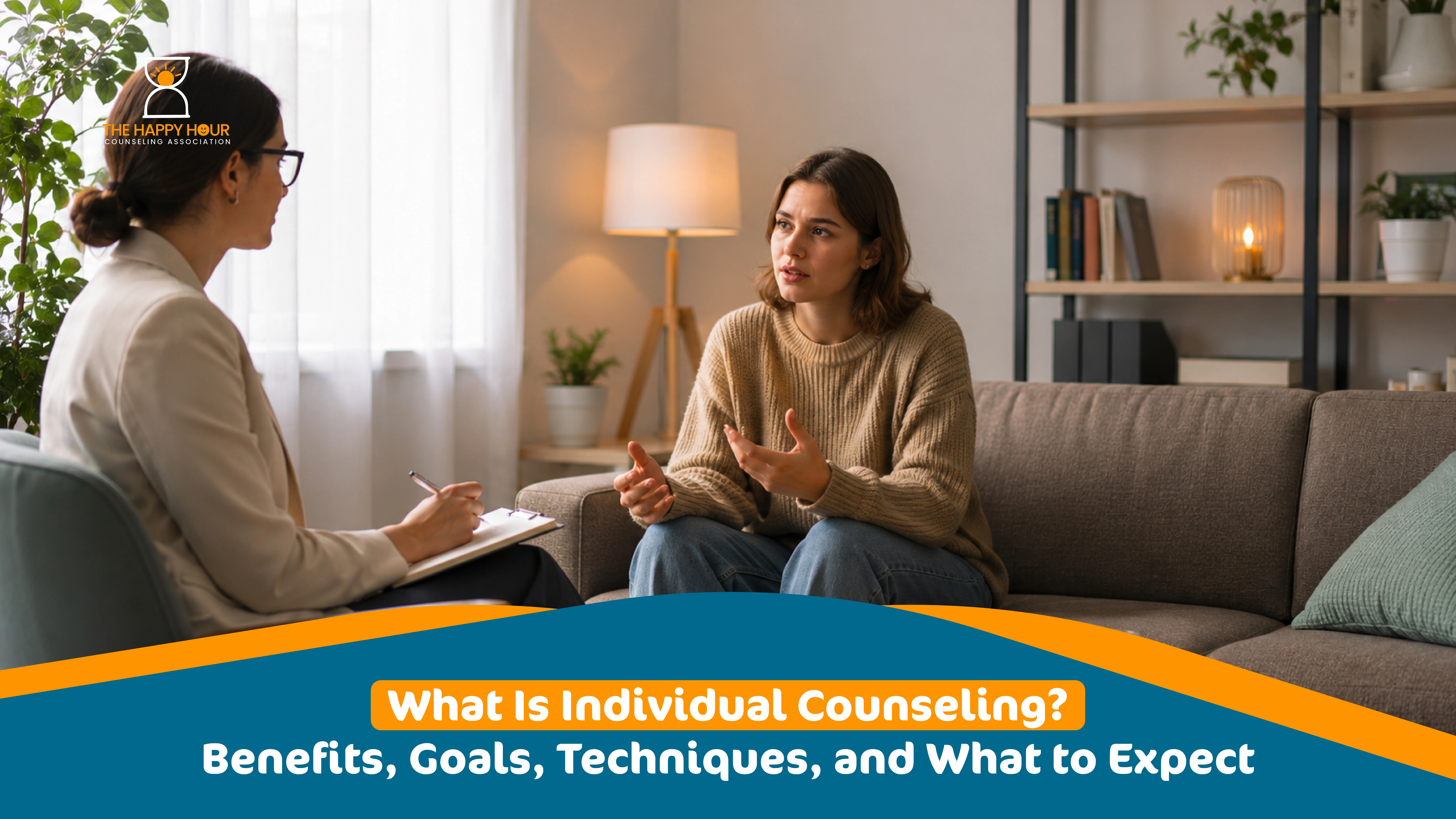
It is a form of professional psychological counseling that involves one counselor assisting one person in coping up with his or her feelings, behaviors, and problems. Definition of individual counseling is having guidance that is personalized based on the experiences, concerns, strengths, and goals of the individual.
Individual counseling is an example of a type of therapy that takes place between a counselor and the client where both try to find the problems, ways to cope with them, and enhance the quality of life. Individual counseling is different from group therapy because in group counseling there are many people who share common issues; in addition, it differs from couples and family counseling.
Knowledge about what individual counseling is about also requires one to understand the significance of a safe, confidential, and conducive atmosphere. A therapist or counselor acts as a professional guide in the use of skills such as listening, empathy, evaluation, and evidence-based practices while at the same time enabling clients to freely talk about their feelings and thoughts without any form of discrimination. Individual counseling services support people exploring their thoughts, emotions, and challenges through personalized person-to-person therapy sessions focused on personal growth and emotional wellbeing.
How Does Individual Counseling Work?
The usual starting point is usually the first meeting where the counselor gets information from the client about his worries, background, emotions, and problems that he is facing at the moment. In this assessment stage, the counselor gets information to gain knowledge of the needs and problems of the individual.
An individual program will be established by the client and therapist that focuses on specific issues and goals as part of the treatment process. There are various forms of therapies that focus on the management of stress, control of emotions, cognitive restructuring, and coping skills. Individual counseling entails comprehending the process of each session depending on the client’s development and situation.
A good relationship between a counselor and client that is characterized by trust, respect, and confidentiality is very important in the process of counseling. In this process, there will always be regular evaluation of the progress made by both the counselor and client and where need be, there will be goal revision and improvement.
What Are the Goals of Individual Counseling?
The goal of individual counseling is to assist individuals know themselves, overcome difficulties, encourage better habits, and experience emotional or personal growth.
Improving Emotional Awareness
Counseling plays an imperative role in helping people become aware of, understand, and interconnect their feelings. Emotional awareness supports people to realize what causes certain reactions and permits them to make well-balanced decisions in their private and work lives.
Managing Stress and Anxiety
Another feature of counseling that people may want to achieve as their goal is to learn how to cope with stress and anxiety. Through counseling, individuals can learn about their stress patterns and create coping mechanisms to deal with their feelings and thoughts.
Developing Coping Skills
Objectives of counseling can also involve helping people learn to cope effectively with various situations. People learn useful methods to deal with their emotions and different problems and to adapt themselves to various changes and challenges.
Building Self-Esteem
Building confidence and self-respect is a very significant component in the goals of individual counseling. Individual counseling enables an individual to pinpoint any negative thoughts that they may have about themselves, appreciate their strengths, and create a new image of themselves.
Improving Relationships
Enhancement of communication skills is one of the key objectives of counseling. Through counseling, one can be facilitated to identify their patterns of relationships, set suitable boundaries, proclaim their needs, and build better relationships with family, friends, and others.
Processing Difficult Experiences
Many individual counseling objectives include assisting clients in dealing with their painful past events, which could be in the form of loss, trauma, or a huge change in life. Counseling is an avenue where people can work on themselves in order to understand better what happened and move forward. Somatic Therapy Services use techniques focused on the body to help individuals understand the connection between physical sensations, emotions, and experiences to support healing and emotional balance.
Creating Positive Life Changes
One of the reasons why the aims of counseling are set is to promote constructive and lasting change in people’s lives. Self-reflection and tailored interventions enable people to make sound judgments, form better habits, and pursue self-improvement and self-development.
Benefits of Individual Counseling
Personal counseling delivers one-on-one support, which makes everyone grow personally, cope with all sorts of problems and challenges, learn coping skills, and surpass.
Improved Emotional Awareness
The best features of individual counseling are those which are involved in developing emotional intelligence. This is because in individual counseling, individuals learn to identify their emotions and how they relate to various experiences. The implication of this is that individuals become more efficient when handling various situations.
Methods to Deal with Stress and Anxiety
The most important aspects which individual counseling is very useful for relate to the management of stress and anxiety. With the help of counselors, individuals receive useful recommendations regarding how to manage their stress and anxiety, as well as control their reaction to them.
Self-Esteem and Self-Confidence
Some of the major advantages provided by individual counseling include the following: building up self-respect and self-confidence. This is because through individual counseling, people discover their abilities, work on their poor self-image, accept themselves, and build up their positive self-image.
Healthier Coping Strategies
Reasons for knowing how important individual counseling can be are several. One of these reasons is that counseling helps a person develop proper coping skills. This will help the person develop proper ways of handling his or her problems.
Support During Life Transitions
Among the benefits of counseling for individuals is support at important turning points in their lives. Whatever the case may be, whether it is related to their job, relationships, losses, or any other decision that needs to be made, counseling comes in handy.
Improved Mental Well-Being
One of the reasons why counseling is important is because it ensures holistic well-being of one’s mind. Counseling helps promote balanced emotions, resiliency, and self-awareness by equipping individuals with coping skills for dealing with difficulties in life.
Individual Counseling for Common Concerns
Counseling on an individual basis provides people with the opportunity to work through various difficulties they may be experiencing emotionally and personally.
Individual Counseling for Anxiety
Personal counseling of anxiety allows individuals to learn more about what causes their anxious thoughts and emotions. The counselors will help people identify the anxiety patterns, learn some relaxation skills, and adopt new ways of thinking. This will be useful in managing their fear and worries.
Individual Counseling for Stress
The provision of individual counseling to cope with stress helps individuals in handling their day-to-day stresses, feelings of exhaustion, and heavy workload. Individual counseling assists people in learning stress management skills, enhancing their problem-solving skills, and employing healthy coping strategies.
Individual Counseling for Grief
Grief individual counseling provides a platform through which people can cope up with their emotions after experiencing any form of loss. It helps clients to comprehend the concept of grief reaction, express their hard feelings, adapt to change, and come up with positive ways to deal with loss.
Individual Counseling for Trauma
Individual trauma counseling is a type of counseling which provides a confidential environment to individuals where they get the opportunity to deal with difficult and traumatic events that they have experienced in their lives. The process helps them cope up emotionally and become resilient through therapeutic techniques performed by the counselor. The process of understanding how to let go of the trauma held within the body through Somatic Therapy can help individuals understand the link between their bodily sensations and emotional and psychological experience of trauma.
Individual Counseling for Self-Esteem
Individual counseling for self-esteem revolves around assisting individuals in refuting negative self-concepts and building up positive self-images. The purpose of counseling is to promote self-acceptance, self-confidence, and awareness of personal strengths and thus build self-respect. Positive psychology services focus on building resilience, confidence, strengths, and personal growth to support persons to improve their complete wellbeing and quality of life.
Individual Counseling for Students
Individual counseling for students is essential as it helps youths to cope with academic, social and personal stresses. Counseling assists the youth in coping, building self-confidence, handling stress, making sound decisions, and maintaining a good balance between academic duties and emotions.
Common Individual Counseling Techniques
The techniques for individual counseling include evidence-based techniques that enable individuals to deal with issues, enhance their mental well-being, and attain their objectives.
Cognitive Behavioral Therapy (CBT)
Individual counseling includes cognitive behavior therapy, which focuses on recognizing dysfunctional thought processes in an individual. This approach helps identify the effects that thoughts have on the emotions and actions of individuals in healthy ways.
Mindfulness-Based Techniques
The other counseling techniques that are beneficial in assisting people to become attentive of their thoughts, feelings, and present condition include mindfulness-based procedures. The techniques have been noted to help people in regulating their emotions and responding calmly to various life situations.
Solution-Focused Counseling
Solution-focused therapy is one of those practical individual counseling methods that consider an individual’s strengths and resources to bring about realistic solutions. It not only concentrates on identifying problems but also considers what is working for an individual and makes possible improvements in life. Solution Focused Brief Therapy (SFBT) services offer a goal-oriented counseling service that helps individuals to identify solutions and make positive changes in their lives through their strengths.
Person-Centered Counseling
A person-centered approach to counseling is an enabling form of counseling that uses empathy, acceptance, and understanding as some of the key components of the most efficient form of counseling. It provides an enabling atmosphere in which people are made to feel valued and respected.
Goal-Setting Techniques
Setting goals forms an important component of individual counseling strategies, which enables the setting of realistic and measurable goals by individuals. The role of a counselor here involves helping his or her client to set priorities and monitor progress.
Choosing the Right Counseling Approach
Various types of counseling techniques are chosen for individual persons depending on their problems, personalities, and goals. The counselor can use several techniques at the same time to create an individualized program that will assist people in overcoming their problems.
What Happens During an Individual Counseling Session?
What takes place in individual counseling always starts with a discussion about the experiences, worries, and emotions of the individual. In individual counseling sessions, the counselor assists in exploring one’s thoughts, emotions, and behaviors in addition to offering support, guidance, and effective coping techniques. The individual counseling session may also include goal setting and evaluation of how far one has progressed.
There is no set time limit for individual counseling sessions; however, most sessions are normally conducted within a period of 45 to 60 minutes. There is no limitation to what clients wish to discuss within a counseling session, which is always private. Privacy plays an essential role in allowing the client to open up and work with the counselor towards improved emotional health.
When Should You Seek Individual Counseling?
The timing of individual counseling is dictated by the changes that occur in your emotional state, thinking process, and way of functioning. You can benefit from counseling even if you have not yet faced serious problems since it will help you with the analysis of your worries, development of appropriate coping strategies, and enhancement of emotional state.
Signs that you should consider counseling may include prolonged sadness or anxiety, inability to cope with stressful situations, important changes in your life, difficulties in relationships, lack of confidence, inability to handle your emotions, and feeling confused and stressed. The work with a counselor will enable you to analyze all these issues and make some progress towards healthy emotional conditions.
How to Prepare for Your First Individual Counseling Session
Preparing yourself for the first individual counseling session will make you feel much more comfortable and confirm that the session is productive. Think about which aspects of your life you would like to receive help with before the appointment and this can relate to various emotions, your relationships, your stress, or other personal goals. Having written notes and asking relevant questions to your counselor will allow you to make yourself understood.
It is vital to be open and truthful about all your issues to make the process of counseling effective. The creation of the comfortable and trusting relationship between you and your counselor is a rather long-term process, which requires patience. Gradual progress is possible through working on your challenges and acquiring coping skills.
How Happy Hour Counseling Association Supports Individual Counseling
Happy Hour Counseling Association is an organization that helps people by providing counseling services tailored to suit individual emotional, behavioral, and personal needs in a secure and confidential setting. The counselors at the organization are committed to working with clients and providing them with assistance in dealing with their thoughts and feelings. In addition, our counselors aim to help clients learn how to cope well with situations involving stress and anxiety, enhance their self-esteem and move towards achieving their objectives.
FAQs
What is individual counseling used for?
Individual counseling helps people manage anxiety, stress, grief, trauma, relationships, self-esteem issues, and personal challenges through professional support.
How long does individual counseling take?
The duration of individual counseling depends on personal goals, concerns, progress, and the specific support each individual requires.
Is individual counseling confidential?
Yes, individual counseling provides a confidential environment where personal information is protected within professional and ethical boundaries.
Can individual counseling help with anxiety and stress?
Yes, counseling helps individuals understand triggers, manage emotions, develop coping strategies, and reduce the impact of anxiety and stress.
What is the difference between counseling and therapy?
Counseling often focuses on current concerns and goals, while therapy may explore deeper emotional patterns and long-term psychological concerns.