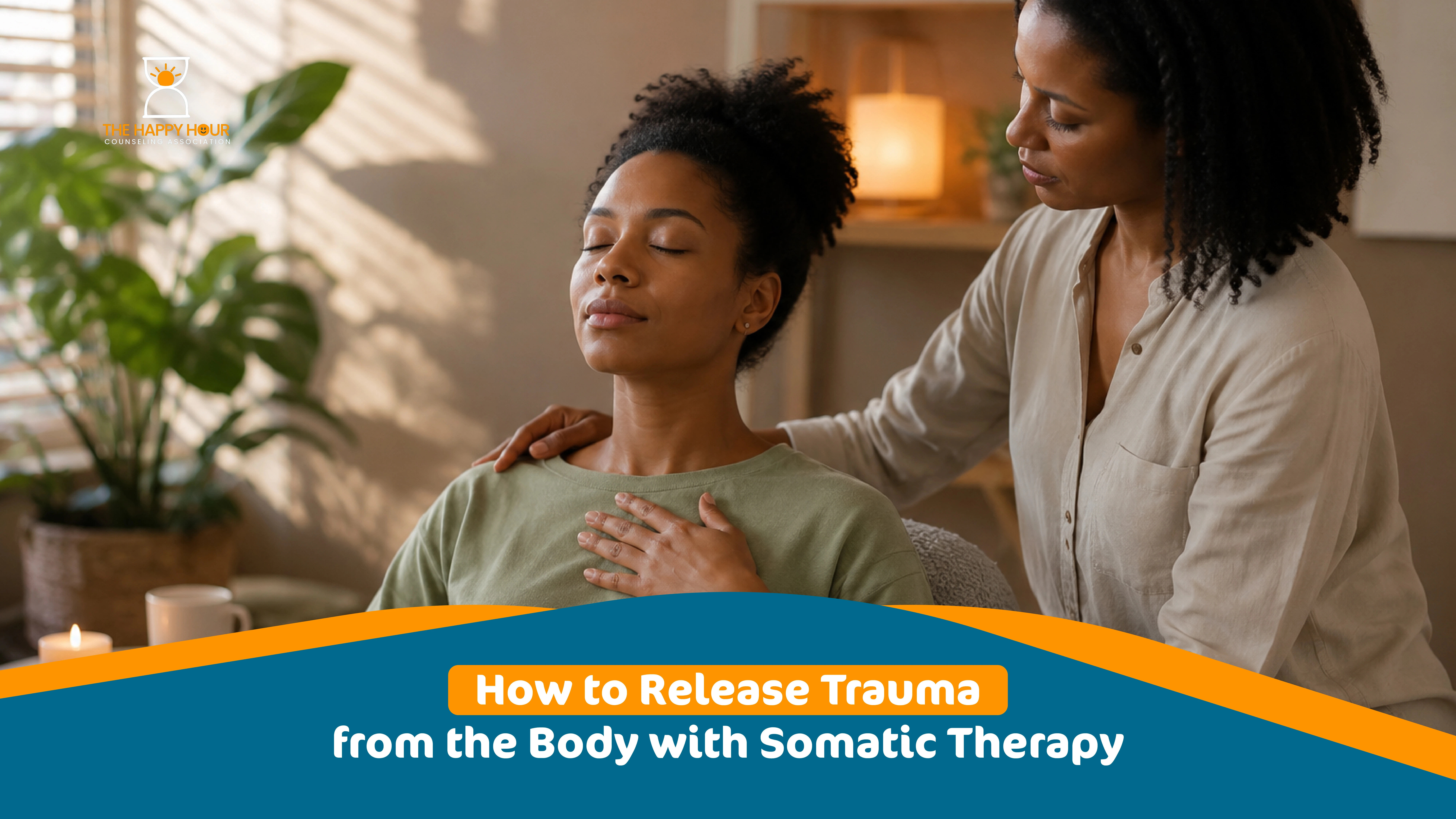
A traumatized person can be affected in both mental and physical aspects since trauma changes the response of the nervous system to stress. Statistics show that 70% of the global adult population experiences at least one trauma in their life, which can result in long-lasting physical manifestations, such as muscular tension, problems with sleep, and an elevated level of stress.
Somatic therapy is a form of therapy that enables patients to develop body awareness, control the nervous system, and work on their traumas along with emotions. This article will cover the principles of somatic therapy, practical techniques for trauma release, benefits of using somatic therapy, and modern research on the matter.
What Is Somatic Therapy?
Somatic therapy is psychotherapy that involves both talk therapy and techniques for increasing one’s awareness of his/her physical sensations, movements, breathing, and posture. The term ‘somatic’ comes from the Greek word “soma” which means ‘body’. Contrary to those approaches that mainly deal with thoughts and emotions, somatic therapy realizes the fact that psychological experience is directly connected with physical responses. Somatic therapy can be helpful in overcoming trauma, anxiety, stress and other issues.
Mind-body connection lies in the basis of somatic therapy. When people face some kind of threat or stressful situation, then their brain and nervous system make them react by using such survival techniques as fight, flight, freeze or fawn. All these reactions can affect the functioning of muscles, breathing, heartbeat and other body’s functions. By observing all the physical sensations in a safe atmosphere people can learn more about how their body reacts and regulates their emotions.
The method of somatic therapy services is involved to help people become aware of bodily sensations in a non-judgmental way, regulating their nervous systems, and processing any unprocessed stress. Some of the methods used by therapists to facilitate the process include grounding, breathing, moving gently, body awareness exercises, and Somatic experiencing. The process does not involve pushing an individual into emotional expression but allows for gradual processing, thus, ensuring proper regulation of the nervous system and minimizing the risk of being overwhelmed in the process.
Can Trauma Be Stored in the Body?
It is common for people to hear about trauma being “stored in the body.” But this idea should never be taken literally since there is absolutely no way of storing physical trauma within the muscles or other organs. Traumatic experiences may affect the way a person’s brain and nervous system will respond to stress later in life. In other words, this response may affect the way of breathing, muscle tension, heartbeat, posture, and other bodily functions that are keeping a person in a state of constant alertness even though there is no danger present.
Unresolved trauma may be associated with a variety of somatic symptoms. Nevertheless, it does not mean that they can only be a result of unresolved trauma. In fact, these symptoms can have various other causes, both medical and psychological. For instance, a person with unresolved trauma may feel constant muscle tension, digestion problems, fatigue, hypervigilance, inability to relax, and sleep problems due to the constant reaction to the stress that happens in the body. Nonetheless, these symptoms cannot automatically imply the existence of unresolved trauma in a person.
What Is Somatic Healing?
Somatic healing means that the improvement of one’s emotional well-being is achieved through the use of techniques dealing with one’s psychological experiences as well as the response of one’s body to stress. As compared to the typical psychotherapy when one works on his or her thoughts, feelings, and experiences through talking, the somatic therapy consists of the practice of body awareness, breathing, moving, and grounding, which enable one to realize his or her physical responses. Somatic healing can be combined with talk therapy, and not vice versa.
The U.S. Department of Veterans Affairs reports that the Orlando VA Somatic Treatment Program uses ECT, rTMS, and ketamine therapies to treat treatment-resistant mental health conditions with better-quality Veteran outcomes.
A body-centered therapy might be helpful in trauma recovery as it helps in the regulation of nervous system functioning and increased awareness of body signals related to stress and emotions. Individuals who undergo this kind of therapy will be able to learn how to recognize tension and activation in the body and work on it. Studies show that body-centered therapies when used in conjunction with evidence-based psychotherapies can be helpful in decreasing symptoms of trauma and stress in some people.
Benefits of Somatic Therapy
Somatic therapy is effective in treating body and mind through the regulation of the nervous system, emotions and resiliency and enabling many individuals to cope with their stress-induced symptoms. Individual Counseling services provide personalized support for emotional healing, trauma, and personal growth.
Reduced Anxiety
Individuals will have the opportunity to control their anxiety using breathing, grounding, and body techniques, all of which will help in soothing their nervous systems. In this case, individuals will be able to understand how their body behaves under stress, and hence react to their anxiety.
Better Emotional Regulation
These practices enable people to recognize early signs of arousal in their emotions and help them manage the situation through better coping strategies. With such recognition comes a better response in terms of emotional behavior, which helps to manage difficult emotions.
Less Muscle Tension
Usually, stress leads to continuous muscle stiffness especially in muscles of the neck, shoulders, and back areas. This is made possible through somatic therapy whereby individuals learn how to relax through body movements, breathing, and body awareness.
Improved Sleep
Having a well-regulated nervous system could help an individual achieve an easy sleep and stay asleep for long periods. Techniques aimed at relaxation in somatic therapy could reduce the level of physical arousal, make one relaxed and increase sleep quality.
Increased Self-Awareness
Somatic therapy is a method of increasing body awareness that includes emotions and emotional triggers. The increase of body awareness allows one to understand the triggers, needs, and make the decisions that are beneficial for oneself.
Better Stress Management
Coping mechanisms are some approaches such as breathing exercises, grounding, and body scanning which enable the people to cope with their stress professionally. They will be able to respond to the situation in a suitable manner and limit the negative influences of stress.
Greater Resilience
Somatic exercises allow the nervous system to recover its functioning after being uncovered to stress. After some time, people have a tendency to become emotionally more flexible, confident, and stable in dealing with diverse situations in their lives.
Support for PTSD Recovery
Somatic Therapy may contribute to EBT for PTSD because it helps people become more aware of their physical experience in a secure way. It should be carried out by a professional who is familiar with trauma and develops an individual treatment plan.
Improved Emotional Well-Being
Once the person advances better awareness of his body and controls his nervous system, he is expected to be at ease with himself and be more capable of coping with the challenges of his daily life.
How Somatic Therapy Helps Release Trauma
Somatic therapy supports trauma recovery by supporting individuals to normalize their nervous system, upsurge body awareness, and increasingly process stress responses safely.
Step 1 – Build Body Awareness
In the first stage, this process begins with gaining awareness of bodily sensations such as breath rhythm, muscle tightness, heartbeat, or body position without an assessment. Heightened awareness will enable individuals to become aware of how stress and emotions affect their body, thereby forming the basis for reactions that are appropriate.
Step 2 – Regulating the Nervous System
If a person is capable of gaining awareness of his/her body, techniques that assist in relaxing the nervous system are then used, which include such activities as diaphragmatic breathing, grounding, and body movement.
Step 3 – Emotion Processing
Somatic therapy does not require an immediate recall of all traumatic experiences that took place but allows people to process emotions gradually and slowly. At the same time, people learn to notice physical and emotional reactions to situations without losing ground.
Step 4 – Rebuild One’s Sense of Safety
With the help of the improved regulation of the nervous system, people start feeling safe in their bodies and surrounding environment. Improved safety contributes to better emotional resilience, relationships with others, and recovery from trauma in general.
10 Somatic Therapy Exercises to Release Trauma
These kinds of soft body exercises could help with regulation and embodiment. It is essential to note that these activities should not be used as a replacement for professional trauma work and should be modified when necessary if the person feels uncomfortable doing them. Children and teens counseling service supports young clients with age-appropriate emotional care.
Body Scan Meditation
Body scanning meditation enhances one’s sense of bodily sensations and tension patterns. It enables one to discover stress points in the body by progressively focusing one’s mind through the body. The exercise may require to be shortened if physical sensations are too intense.
Grounding Techniques
The grounding technique helps bring back the focus on the present when one is under stress or anxiety. This is done using various ways such as the 5-4-3-2-1 exercise and sensing the feeling of feet being on the ground.
Somatic Breathing Exercises
Slow and deep breathing through somatic exercises help relax the nervous system by practicing controlled and slower breathing. Dizziness should not happen, but if it does occur, you should just revert to regular breathing.
Orienting Exercise
An orienting exercise allows the nervous system to know that it is safe through gentle observation of its environment. Observing colors, shapes, and sounds will decrease hypervigilance and increase present moment awareness.
Gentle Shaking
This involves a gentle shake to ease any physical tension that is stored within the body. Waving your arms, legs, and shoulders slightly increases circulation. Do not do this practice in case of an injury, poor balance, or health problems.
Progressive Muscle Relaxation
The progressive muscle relaxation technique helps in relaxing the muscles through contraction and release of different muscle groups. The progressive muscle relaxation exercise helps to increase body awareness and relaxation. The affected parts should not be included while doing the exercise.
Self-Holding Exercise
These activities create a sense of ease through the placement of hands on one’s heart and belly or through hugging one’s own body. It is helpful for promoting relaxation and emotional regulation. Not recommended for those who are triggered by self-touch.
Butterfly Hug
Butterfly Hug helps to soothe the emotions through tapping of the shoulders while keeping oneself in a state of calm breathing. It helps in reducing stress. In case of increase in emotional tension during the process, one must stop.
Mindful Walking
Mindful walking is an exercise which does not involve walking alone but mindfulness of each step and breathing. This exercise allows one to be grounded, less stressed, and have improved mind-body connection.
Pendulation (Somatic Experiencing Technique)
Pendulation involves alternating attention from feeling comfortable to feeling a little uncomfortable. This helps strengthen your nervous system. Stress is dealt with slowly. Pendulation is best done with an experienced therapist due to emotions.Bottom of Form
Somatic Therapy for Anxiety, PTSD, Depression, and Grief
Somatic therapy has great potential to help various psychological disorders because it allows one to focus on the way emotions are experienced by our bodies. In cases of anxiety disorder, it helps one manage physical symptoms such as rapid heartbeat or muscle tensions using such techniques as deep breathing and grounding. In cases of PTSD, it assists in regulating the nervous system safely and reduces hypervigilance without complete exposure to traumatic memories. In cases of depression, it is used to restore awareness of the body and boost energy levels in a mild way. In cases of grief, somatic therapy is helpful because it allows processing of emotional pain and reduces physical symptoms of grief such as heaviness and fatigue.
All these disorders can be treated with the help of somatic therapy as it allows regulating nervous system functioning and restoring the connection between mind and body. Various techniques such as body scanning, mindfulness, breath work, and grounding can be used in order to become aware and grounded in a moment. Although these practices are really helpful, they should be used together with professional assistance, especially in moderate to severe cases. Positive psychology services build resilience, strengths, and overall long-term emotional well-being and life satisfaction.
How Happy Hour Counseling Association Support with Somatic Therapy
The Happy Hour Counseling Association encourages the use of somatic therapy through offering trauma-informed counseling, which involves using techniques that incorporate the concept of body awareness with talk therapy to aid in emotional recovery and nervous system regulation. This form of counseling enables people to explore their emotions of stress, anxiety, and trauma through the body in a way that is not overwhelming due to the incorporation of breathing and grounding techniques among others.
FAQs
What is somatic therapy?
Somatic therapy is body-centered healing that practices awareness, breath, and movement for emotional regulation.
How does somatic healing work?
It works by modifying the nervous system and growing awareness of physical stress responses.
Can trauma really be stored in the body?
Trauma is not stored physically, but it disturbs nervous system patterns and bodily responses.
How long does somatic therapy take?
Duration varies widely depending on trauma severity, consistency, and separate healing progress.
Can I practice somatic exercises at home?
Yes, simple grounding, breathing, and mindfulness exercises can safely be practiced at home.
Is somatic therapy evidence-based?
Some somatic approaches show increasing evidence, particularly when combined with psychotherapy or trauma treatment.
What is the best somatic exercise for anxiety?
Deep breathing and grounding exercises are most effective for calming anxiety symptoms quickly.