Strong relationships and building confidence can be materialized through validating emotional support. Instead of actually addressing the root cause of the problem, it is common for people to respond by trying to solve problems unconsciously. This blog will try to explore why validation matters, how it supports emotional connection, and ways to recognize and respond to feelings in a constructive way. This will help readers improve communication skills grounded in empathy and psychological understanding.
What Does It Mean to Validate Someone’s Feelings?
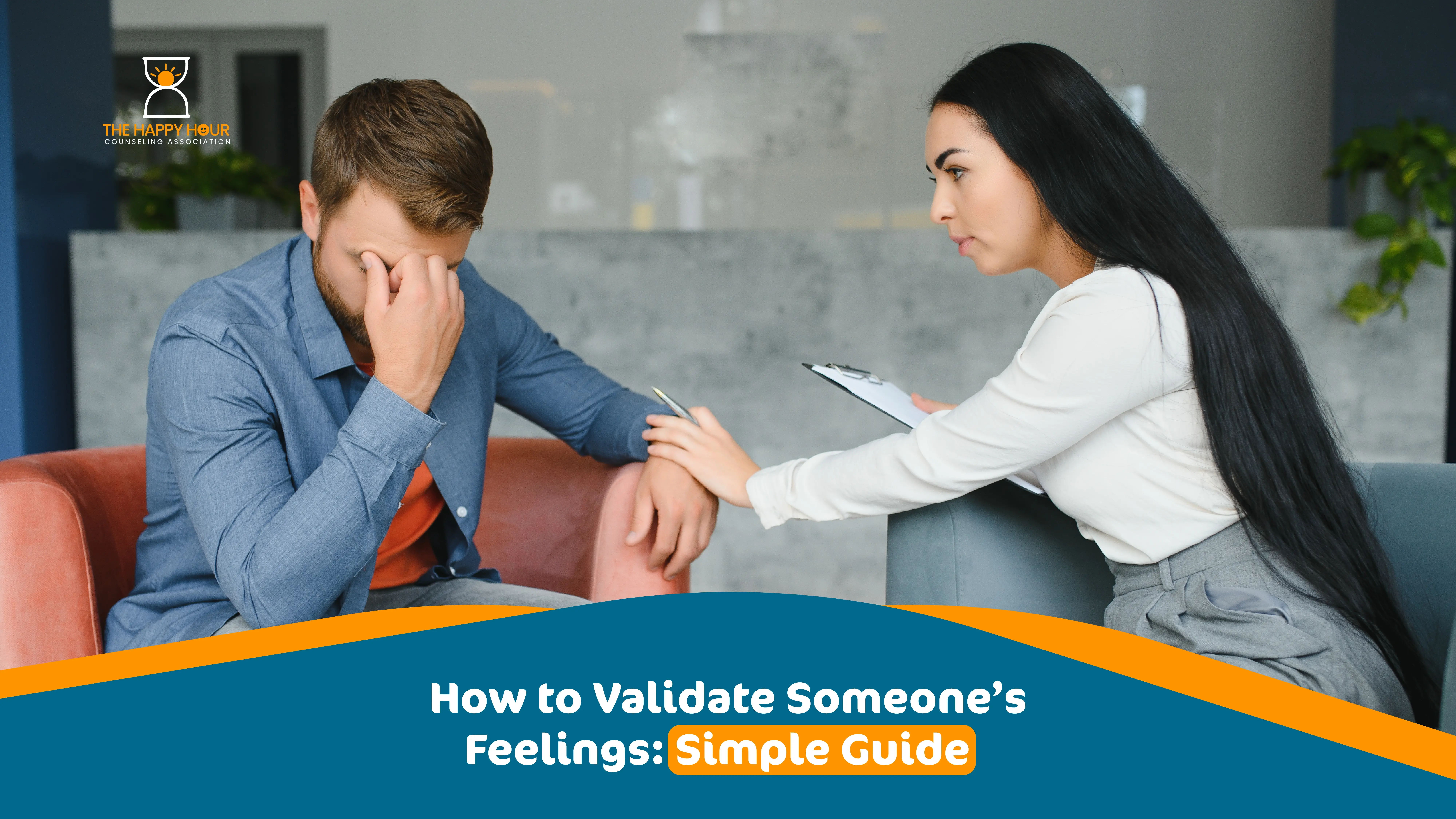
Validation of one’s emotions refers to the process of acknowledging and accepting the emotions of the other individual as real and valid, regardless of whether one feels the same way about the situation. It involves compassionate listening and conveying the message that the other individual’s emotions have value.
Emotions can be validated without validating the perspective being presented. It is not necessary to validate one’s perspective in order for him/her to validate his/her emotions. This means that one can validate someone else’s emotions while holding a different point of view regarding the issue.
People tend to confuse validation with solving problems or advising, but it’s not the case. Emotional validation is focused on making sense of the feeling itself but not resolving the problem that it caused. Importantly, validating a feeling doesn’t equate to validating the action, but rather the feeling itself. Online Individual Counseling sessions validate feelings and build empathy with personalized support.
Why Emotional Validation Is Important
Showing emotional understanding is indispensable for healthy communication, as it assists individuals as if they feel they are heard, respected, and passionately safe in relationships.
Builds Trust
Emotional validation fosters trust because it shows true comprehension. The individual feels validated since their emotions are recognized, thus creating an even deeper connection that allows for free communication without being criticized in the future.
Strengthens Bonds
Emotional validation makes relationships better whether they are familial, romantic, or friendship-based. This produces empathy and understanding between individuals which make them feel validated and recognized in turn making their bond stronger emotionally.
Reduces Conflict
Misinterpretations or misunderstanding decrease and individuals respond with less defensiveness when emotions are authenticated. People are more likely to feel calm and willing to respond to communicate which makes it easier to resolve disagreements without escalation or unnecessary emotional tension.
Emotional Regulation
Validation supports individuals process feelings faster and more professionally. When someone feels understood, their emotional intensity frequently minimizes which allows clearer thinking and healthier responses instead of reactive behavior.
Common Mistakes People Make Instead of Validating
Numerous people unconsciously respond in ways that downturn emotions instead of validating them. This makes the other person feel dismissed or unheard in important conversations which can damage confidence, and minimize emotional safety.
Dismissing Feelings
People frequently used to say phrases that can make someone feel their emotions are invalid or inconsequential such as “it is nothing to worry about or it is not a big deal. This unintentional response or behavior shuts down emotional presence and diminishes honest sharing in future discussions or struggles.
Minimizing Emotions
People are commonly saying phrases such as “you are overreacting” also minimize the seriousness of what someone feels. This can lead to embarrassment, defensiveness, and emotional withdrawal which make it harder for the person to feel safe, understood, or supported in expressing their thoughts.
Fixing Too Quickly
Jumping to solutions without addressing the real reason can completely ignore emotional requirements. First, people frequently require empathy and understanding, while problem-solving is beneficial. Skipping this step can make them feel disregarded, even if the solution offered is correct or supportive.
Comparing Experiences
Saying “others have it worse” also nullifies personal feelings by shifting focus away from their experience. This comparison can produce guilt and emotional isolation which make the person feel wrong for expressing genuine pain or distress in their situation.
Avoiding Conversations
Avoiding or ignoring emotional discussions also prevents resolution and deteriorates relationships. This avoidance can shape emotional distance which leave the other person feeling ignored, unsupported, and disengaged from meaningful communication or mutual understanding over time.
How to Validate Someone’s Feelings
The skill of validating the feelings of another individual comes with patience and empathy. This fosters an environment that allows the other party to feel heard, accepted, and understood without being judged, corrected, or dismissed throughout the conversation. Strengthen family communication and emotional understanding through exploring expert family Counseling services for lasting harmony.
Listen Without Interrupting
Listen thoughtfully without interrupting or thinking about your response. Give them an opportunity to share everything that they have to say. This will establish respect and make it easier for you to understand how they feel before responding.
Acknowledge Emotions
Identify and state the feelings you are hearing, which could include sadness, anger, frustration, fear, etc. The importance of taking this one action is to convey to them that you care about what they are feeling inside, not just what they are saying.
Show Understanding
Use sympathetic statements like “That sounds really difficult” or “I can see why you would feel that way.” These replies do not judge or fix the situation but instead communicate care, support, and emotional awareness in a moderate way.
Avoid Judgment
Do not question whether their feelings are right or wrong. Avoid telling them they “should not feel that way.” Judging emotions can shut down communication and make the person feel invalidated, even if your intention is to help or clarify.
Ask Supportive Questions
Use gentle questions like “Do you want to talk more about it?” or “How can I support you right now?” This encourages openness, shows willingness to help, and allows the person to guide the level of support they need.
Examples of Validating vs Invalidating Responses
Validating responses acknowledge emotions with empathy, such as “I can see why you feel that way,” while invalidating responses dismiss feelings like “You are overreacting” or “It is not a big deal.” Validation builds trust and connection, whereas invalidation often increases conflict, distance, and emotional disconnection in relationships, friendships, and family issues.
How to Validate Your Partner’s Feelings Specifically
Emotional support in the form of validation of emotions is very important in romantic relationships since it helps in building self-confidence, trust, emotional security, and bonding/linked. Both people will have the feeling of being heard, thus there will be no misunderstandings and a closer relationship due to recognition of emotions.
It is crucial to deal with emotional considerations to prevent defensive attitudes when debating. Patience will give you the chance to listen without being impulsive. Creating an emotionally safe environment at home implies that you have to react sympathetically, honor your spouse’s emotions or mood, and provide them with the freedom to speak up without any judgment. Recover emotional connection and communication skills through professional Couples Therapy Services for healthier relationships.
What to Say When You Do Not Understand Their Feelings
If you do not understand the emotions of someone entirely, it is best to respond to them in an authentic and empathic way instead of agreeing with them without genuine reason. Communicating through specific phrases such as “I do not understand completely, but I will try” or “help me understand your side” shows that you are willing to listen.
Benefits of Practicing Emotional Validation
Emotional validation practice enhances relationships through improving communication skills, minimizing misunderstandings, enhancing emotional intimacy, and adopting better conflict resolution methods through empathy and understanding.
Better Communication
It is easier for people to communicate because emotional validation helps create an environment where they can talk openly about how they feel regarding a particular matter. People usually express themselves freely, and this ensures good communication, hence creating harmony among the parties since both know that their emotions will be recognized.
Fewer Misunderstandings
Valuing emotions avoids confusion since they need to be recognized before any action is taken or any judgment is made. The act of valuing emotions ensures that there will not be a misunderstanding leading to conflict, thus allowing for better communication among individuals.
Stronger Emotional Intimacy
Emotional validation supports to produce an increased level of intimacy through building greater levels of trust and emotional connections. This is because when the person feels that he or she is being validated in terms of their emotions, there is greater bonding and intimacy.
Healthier Conflict Resolution
Conflict resolution is promoted when validation takes place because it enables individuals not to be defensive and allows them to have empathy towards one another. After emotions have been vented, discussion will be logical and geared towards finding solutions to resolve their issues.
How Happy Hour Counseling Association Support to Validate Feelings
Happy Hour Counseling Association provides counseling assistance to persons seeking counseling training on validating their emotions by means of professional counseling, therapy sessions, and emotion skills training. The counselors at Happy Hour Counseling Association train their clients on developing skills in sympathy, compassion, active listening, and active communication. The counselors enable clients to respond with empathy rather than criticism by providing a safe environment.
FAQs
Can validating feelings create dependency in someone emotionally?
No, it actually makes people become emotionally independent, confident, and good communicators.
Does validating feelings mean agreeing with someone?
No, you can validate emotions without agreeing with their ideas and actions.
When should I validate the emotions of other people?
Immediately validate them after hearing them out without giving any suggestions or opinions.
Can I validate feelings when we are arguing with each other?
Yes, validating feelings makes people less defensive and helps ease emotional tensions.
What if I have trouble understanding their feelings?
Ask for further clarification about their feelings, viewpoints and perspectives.