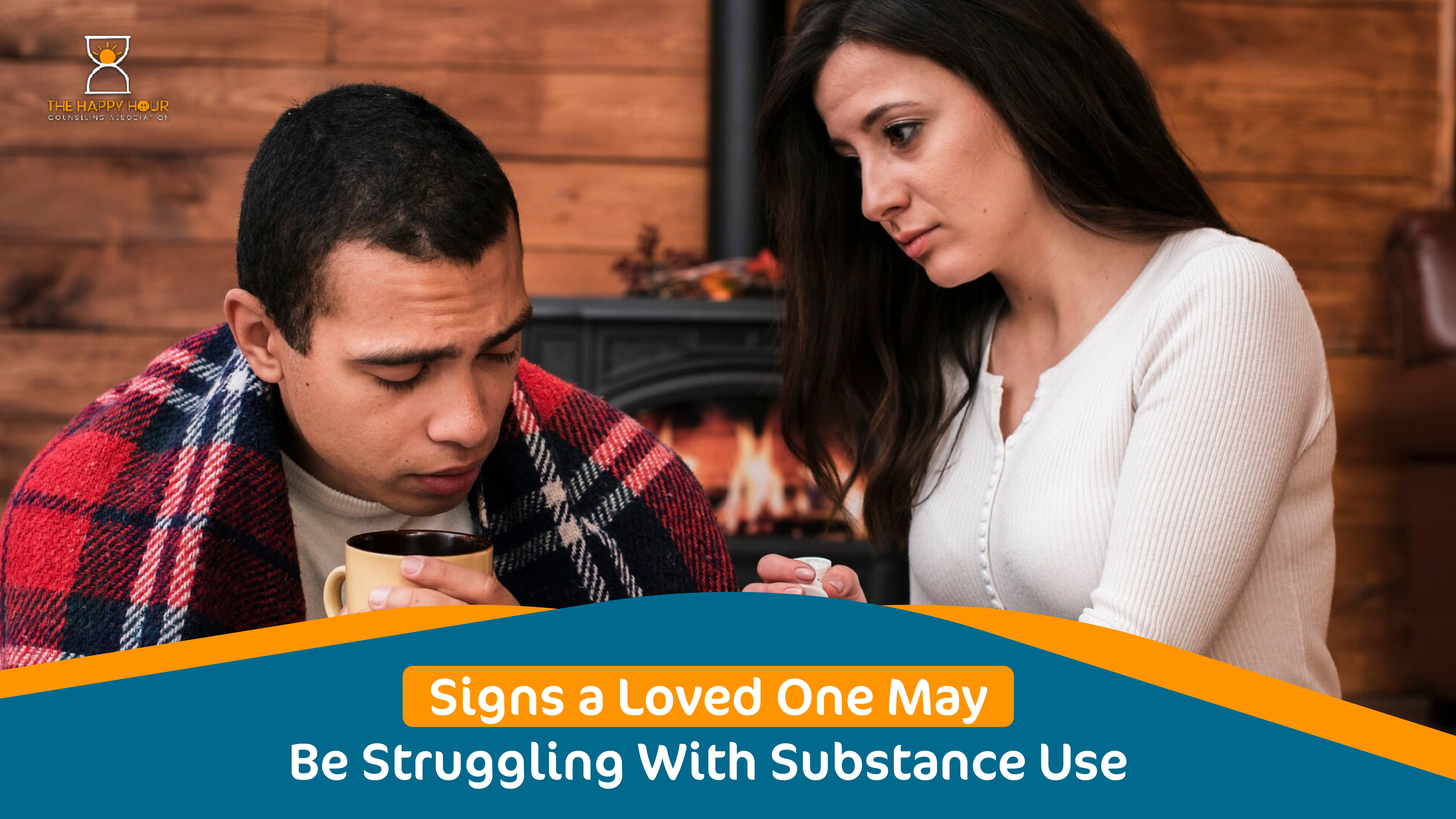
It usually starts with a feeling you cannot quite explain. Your brother cancels plans again. Your daughter seems exhausted, irritable, or oddly distant. Your spouse is “fine,” but something has shifted, and the explanations no longer add up. You may find yourself asking quietly, late at night: is something wrong, or am I overthinking this?
If you are searching for the signs of substance use disorder, you are probably worried about someone you love. First, take a breath. Noticing is not accusing. Wanting answers is an act of care. This guide explains the most common signs of addiction in plain language, covers warning signs for specific substances, and offers practical, compassionate next steps. If you or someone you love may need additional support, exploring individual counseling services can be a helpful next step. It cannot diagnose anyone, but it can help you understand what you are seeing and know what to do about it.
What Is Substance Use Disorder?
Substance use disorder (SUD) is a medical condition in which a person keeps using alcohol or drugs despite harm to their health, relationships, work, or safety. It is not a character flaw, a moral failure, or a lack of willpower. Repeated use changes the way the brain handles reward, stress, and decision-making, which is why stopping can feel impossible even when someone sincerely wants to.
Clinicians use a set of eleven criteria from the DSM-5 to diagnose SUD, and the number of criteria met determines whether it is mild, moderate, or severe. They include using more or for longer than intended, failed attempts to cut back, intense cravings, giving up activities that once mattered, using in risky situations, continuing despite relationship or health problems, building tolerance, and experiencing withdrawal. Some terms you may hear, like “substance abuse” or “addiction,” overlap with SUD. Addiction generally describes the more severe end of the spectrum.
Importantly, SUD exists on a continuum. Someone does not have to hit “rock bottom” to deserve help. The earlier a problem is recognized, the more options there are.
General Warning Signs of Substance Abuse
No single sign proves someone is using drugs or alcohol. Many of these can also point to stress, depression, a medical problem, or ordinary life changes. What matters is a pattern, especially a sudden change from how the person normally is. Here are the most common categories.
Behavioral signs of substance abuse
• Pulling away. Skipping family dinners, ignoring calls, avoiding old friends, or withdrawing from hobbies they used to love.
• Secrecy. Locked doors, vague answers about where they have been, hiding belongings, or becoming defensive about simple questions.
• New social circles. Sudden friendships with people you have never met, along with reluctance to introduce them.
• Slipping responsibilities. Missing work or school, falling behind on bills, neglecting children or pets, or dropping commitments they once took seriously.
• Changes in routine. Staying up all night, sleeping all day, or disappearing for hours at predictable times.
• Risky choices. Driving under the influence, unusual spending, or doing things that go against their values.
• Money problems. Unexplained requests for cash, missing money or valuables, or sudden financial trouble.
• Legal trouble. DUIs, arrests, or run-ins with the law that were never part of their life before.
Emotional and psychological signs of substance abuse
• Mood swings. Swinging quickly between euphoria, irritability, and sadness without a clear reason.
• Anxiety or paranoia. Seeming unusually tense, suspicious, or fearful.
• Low motivation. A noticeable lack of energy, interest, or ambition.
• Angry outbursts. Snapping over small things, especially when confronted.
• Denial and blame. Minimizing use, making excuses, or blaming others for problems.
• Emotional numbness. Seeming flat, detached, or unreachable.
Physical signs of substance use
• Changes in appearance. Weight loss or gain, poor hygiene, or neglecting grooming.
• Bloodshot or glassy eyes, or pupils that look unusually large or small.
• Frequent nosebleeds or runny nose with no sign of illness.
• Tremors, slurred speech, or poor coordination.
• Marks, bruises, or sores on the skin, or wearing long sleeves in warm weather.
• Unusual smells on breath, clothes, or in a room.
• Dental problems or sudden changes in sleep and appetite.
Signs of physical dependence and withdrawal
Dependence often shows up as tolerance, meaning they need more of a substance to get the same effect, and as withdrawal when they stop. Withdrawal can look like sweating, shaking, nausea, vomiting, headaches, agitation, insomnia, muscle aches, or intense anxiety. Withdrawal from alcohol and benzodiazepines can be medically dangerous and should never be handled alone. If someone you love is trying to stop suddenly after heavy use, encourage them to talk to a medical professional first.
Signs of Specific Substances
Different substances leave different fingerprints. Knowing what to look for can help you tell the difference between “something is off” and “this is what is going on.” Remember that people often use more than one substance, and the signs can overlap. If you recognize several of these warning signs in someone you love, addiction counseling can offer professional support and guidance on what to do next.
Signs of alcohol use disorder
Alcohol is legal and socially accepted, which can make a problem easy to miss. Common signs of alcohol use disorder include drinking more than intended, needing more to feel the effects, drinking alone or in secret, morning drinking, hiding bottles, memory blackouts, shaky hands, missing obligations because of hangovers, and irritability when unable to drink. Relationship problems, drinking and driving, and health issues such as stomach trouble or liver concerns may follow. Cutting back and failing is another strong signal.
Signs of opioid use disorder, heroin, and fentanyl use
Opioids include prescription painkillers, heroin, and fentanyl. Signs of opioid use disorder include small “pinpoint” pupils, drowsiness or “nodding off,” slowed breathing, constipation, itching, confusion, and cycles of sedation followed by irritability or restlessness. With heroin addiction, you might also notice track marks, burnt spoons, small baggies, foil, or syringes. Signs of fentanyl use look similar but carry higher risk, because fentanyl is extremely potent and is often found in counterfeit pills and other drugs without the person knowing. Someone who seems suddenly very sleepy or unresponsive may be in danger. Opioid withdrawal can feel like a severe flu, with sweating, body aches, diarrhea, goosebumps, yawning, and intense cravings.
Signs of prescription drug abuse
Prescription drug misuse often hides behind a legitimate prescription, which makes it especially confusing for families. Warning signs include running out of pills early, taking higher doses than prescribed, requesting early refills, “doctor shopping” for multiple prescriptions, using someone else’s medication, crushing or altering pills, and mood or energy swings tied to dosing. Unexplained missing pills at home is another red flag.
Signs of benzodiazepine abuse
Benzodiazepines such as Xanax, Valium, and Klonopin are prescribed for anxiety and sleep. Signs of benzodiazepine abuse include sedation, slurred speech, poor coordination, memory gaps, confusion, dizziness, mood changes, and needing larger doses over time. Because stopping abruptly can cause seizures and other serious withdrawal symptoms, medical supervision is essential. Mixing benzodiazepines with alcohol or opioids is particularly dangerous.
Signs of cocaine addiction
Cocaine is a stimulant, and its effects are intense but short-lived, which can lead to repeated use. Signs of cocaine addiction include dilated pupils, high energy, talkativeness, overconfidence, restlessness, decreased appetite, trouble sleeping, frequent sniffing or nosebleeds, and sharp “crashes” marked by exhaustion, depression, and irritability. Money problems often appear quickly because of the cost.
Signs of meth addiction
Methamphetamine use can cause dramatic changes. Signs of meth addiction include extreme weight loss, severe dental problems, skin sores from picking or scratching, staying awake for days, rapid speech, jerky or repetitive movements, paranoia, hallucinations, and sudden aggression. A person may appear intensely focused on tasks that make little sense, followed by long periods of exhausted sleep.
Signs of stimulant use disorder
Stimulant use disorder can involve cocaine, methamphetamine, or misused prescription stimulants such as Adderall. Look for restlessness, rapid heartbeat, unusual alertness, reduced need for sleep, appetite loss, anxiety, irritability, and crashes that leave them depleted. If prescription stimulants are involved, signs can include taking extra doses, using pills without a prescription, or needing them just to feel normal.
Signs of marijuana addiction
Many people believe marijuana cannot be habit-forming, but cannabis use disorder is real. Signs of marijuana addiction include using daily or throughout the day, being unable to cut back, loss of interest in other activities, reduced motivation, memory and concentration problems, red eyes, increased appetite, irritability, trouble sleeping when not using, and spending significant time and money to get it. Heavy use can also worsen anxiety or depression.
How to Tell If a Family Member Is Using Drugs
Parents, spouses, adult children, and siblings often ask the same question: how can I tell if a family member is using drugs? The honest answer is that you usually cannot be certain from one sign. Instead, look for a cluster of changes that last more than a couple of weeks and do not have an obvious explanation.
Ask yourself these questions:
• Has their personality, energy, or mood changed in a way that feels unlike them?
• Are they pulling away from family, friends, or things they used to enjoy?
• Are responsibilities at work, school, or home slipping?
• Is money disappearing, or are there unexplained financial problems?
• Are you noticing physical changes such as weight shifts, sleep changes, or red eyes?
• Do they become defensive or angry when you gently ask how they are doing?
• Have you found paraphernalia, pills, or alcohol hidden in unusual places?
If you are answering yes to several of these, it is time to take the concern seriously. A special note for parents of teenagers: adolescence naturally comes with mood swings and shifting friend groups, so look for sudden or extreme change, a drop in grades, loss of old friends, or new secrecy, rather than any one behavior.
Signs of an Overdose: When to Call 911
Substance use can become a medical emergency. Call 911 immediately if someone shows any of the following:
• They are unresponsive or cannot be woken up.
• Their breathing is slow, shallow, or has stopped, or you hear gurgling or snoring-like sounds.
• Their lips or fingertips look blue or gray.
• They have a seizure, chest pain, or severe confusion.
• They have very small pupils and extreme drowsiness after possible opioid use.
If you suspect an opioid overdose, naloxone (Narcan) can reverse its effects and is available without a prescription at many pharmacies. Many families keep it at home. Giving naloxone does not replace calling 911, because the person still needs medical care.
How to Talk to a Loved One You’re Worried About
Starting this conversation is hard. It is normal to fear making things worse. These principles can help:
• Choose the right moment. Pick a calm, private time when the person is sober and you are not angry.
• Lead with love and concern. Use “I” statements such as “I’ve noticed you seem exhausted lately and I’m worried about you,” instead of “You’re using again.”
• Stick to specific observations. Mention things you have seen, not labels or accusations.
• Listen more than you talk. Let them respond, even if what they say is hard to hear.
• Avoid shame and ultimatums you cannot keep. Shame tends to deepen substance use, while honest boundaries help everyone.
• Expect resistance. Denial is common. One conversation rarely solves everything, and it does not mean you failed.
• Offer concrete help. Offer to help find a counselor, explore family counseling, make a call, or go with them to an appointment.
What Not to Do
Even with the best intentions, some responses can make the situation harder. Try to avoid covering for them with employers or family, giving money that might fund use, taking responsibility for consequences that belong to them, arguing when they are under the influence, or threatening things you will not follow through on. Protecting someone from every consequence, often called enabling, usually keeps the cycle going. You can be loving and still hold firm limits.
Treatment and Recovery Are Possible
One of the most important things to know is that recovery is real and common. SUD is a treatable condition, and many people go on to build healthy, meaningful lives through appropriate substance use counseling and ongoing support. . Treatment is not one-size-fits-all, and it often includes a combination of:
• Professional assessment to understand the type and severity of the problem.
• Counseling and therapy, including approaches such as cognitive behavioral therapy and motivational interviewing.
• Medication-assisted treatment for opioid or alcohol use disorder, when appropriate.
• Medical detox when withdrawal could be dangerous.
• Treatment for co-occurring conditions such as depression, anxiety, or trauma, which often travel alongside substance use.
• Peer and family support through recovery groups and family counseling.
Relapse can be part of the journey for some people, and it does not mean treatment failed. It simply means the plan may need to be adjusted.
Taking Care of Yourself, Too
Loving someone with a substance problem is exhausting. You may feel fear, anger, guilt, grief, and hope, sometimes all in the same hour. You cannot control another person’s choices, but you can care for yourself. Lean on trusted friends, consider a family support group, set healthy boundaries, protect your sleep and routines, and consider individual counseling for yourself. . Supporting a loved one is much easier when you are not running on empty.
Frequently Asked Questions About Signs of Substance Use Disorder
What are the first signs of substance use disorder?
Early signs often include withdrawing from family and friends, mood changes, secrecy, slipping responsibilities, and using more often or in larger amounts than intended. Look for patterns, not isolated moments.
How do I know if someone is using drugs?
No single sign confirms it. Clusters of changes, such as new secrecy, shifting moods, physical changes, money problems, and altered sleep, are more meaningful than one clue. A healthcare or counseling professional can help assess the situation.
What is the difference between substance abuse and substance use disorder?
Substance abuse is an older term that is still widely used. Today, clinicians prefer substance use disorder, which describes a spectrum from mild to severe, based on how use affects a person’s life and health.
Can someone have an addiction and still seem functional?
Yes. Many people with SUD keep jobs, care for children, and appear fine to outsiders. A functioning life does not mean there is no problem, and help is still worthwhile.
Should I confront my loved one?
A calm, caring conversation is usually more effective than a heated confrontation. Speak from concern, stay specific, and be ready to listen. Consider speaking with a counselor first so you can plan what to say.
Where Can I Get Help Right Now?
In an emergency, call 911 or visit the nearest emergency department. For counseling and mental health support, The Happy Hour Counseling Association is here to help. Reach out to learn about our services and available support. If you’re experiencing a crisis or having thoughts of suicide, call or text 988 for immediate support.
You Do Not Have to Figure This Out Alone
Noticing the signs is the hardest first step, and you have already taken it. Whether you are not sure what you are seeing or you are ready to find support for someone you love, the compassionate team at The Happy Hour Counseling Association is here to listen without judgment. Reach out through thehappyhourcounselingassociation.com to schedule a confidential conversation and take the next step toward healing, for your loved one and for yourself.