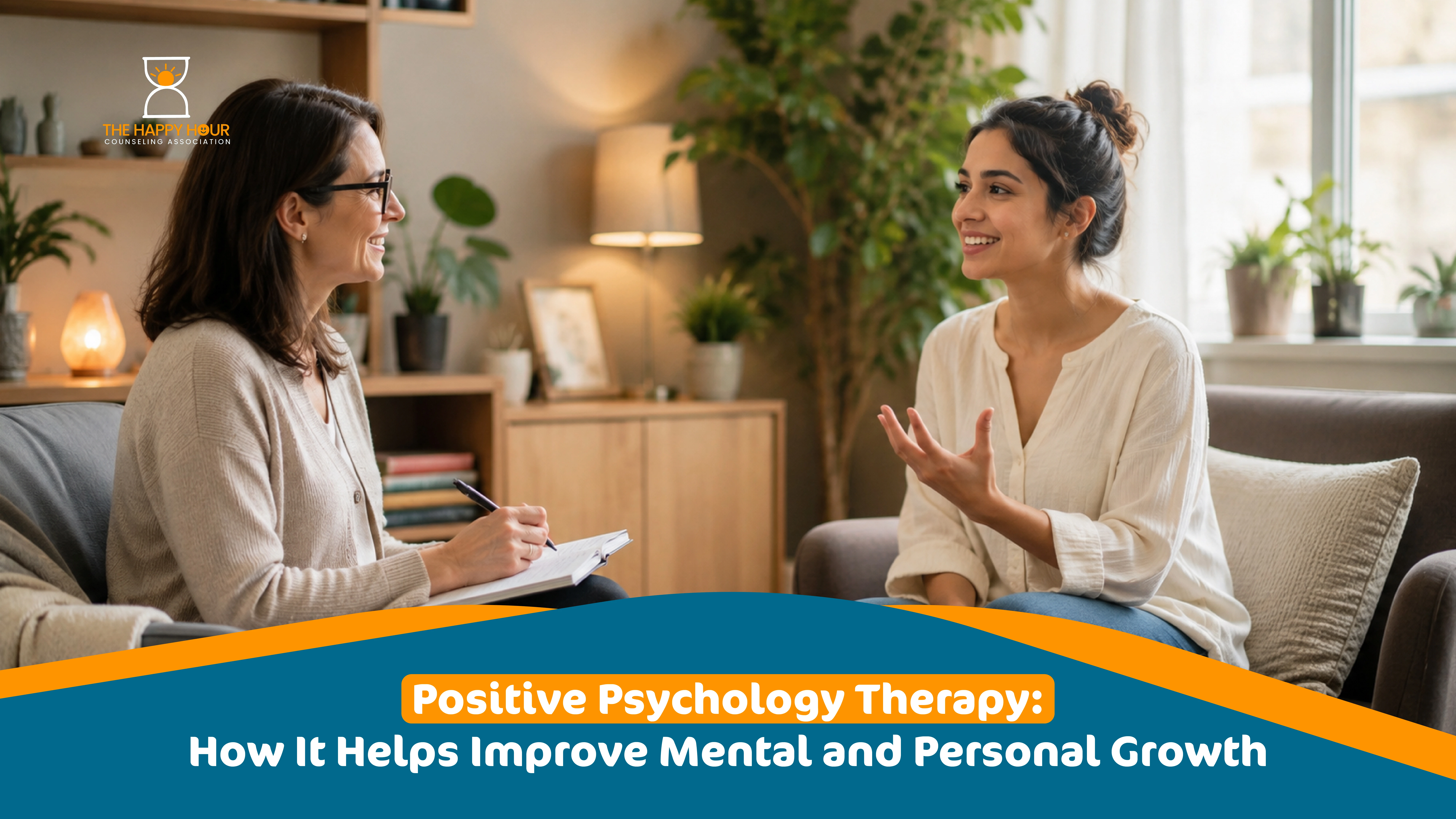

Identifying when to see a therapist can be difficult, particularly if emotions start building up slowly rather than all at once. This blog will help you determine what kinds of emotional problems are worth noticing, when professional help is usually required, and how therapy can resolve issues related to everyday situations.
Why It Can Be Difficult to Know When to See a Therapist
Many individuals seek therapy only after their troubles have escalated to a point where they feel they cannot cope on their own. However, therapy does not necessitate having to reach the peak of one’s struggles. Therapy may come into play because of the way one’s thinking patterns, emotions, actions or relationships are shifting subtly yet persistently.
You may notice that you are constantly worrying, becoming more irritable than usual, avoiding social situations, or struggling to enjoy things that once made you happy. These changes can be easy to dismiss, especially when life is busy. But when emotional distress continues or begins affecting your daily routine, it may be a good time to speak with a therapist.
A therapist can provide a neutral, supportive environment where you can talk openly about what you are experiencing. Therapy can also help you understand patterns in your thoughts and behaviors and develop healthier ways to manage difficult situations.
Recognizing the Early Signs of Emotional Distress
Emotional problems often manifest in the form of irritation, insomnia, or an overall feeling of being overwhelmed by tasks that used to seem easy to handle. These initial indications of emotional problems are usually brushed off as mere stress, but their prolonged neglect could result in small issues escalating into bigger ones.
First Signs You Need Therapy
Feelings of continuous sadness for more than two weeks, withdrawing from your loved ones, and a reduction in motivation are just some of the first indicators that you should seek treatment. These are usually not very drastic changes but rather subtle ones, in which case you may become uninvolved in activities you once enjoyed.
Signs of Poor Mental Health at Work and Home
Trouble focusing, being absent frequently, and having trouble getting along with one’s coworkers or family can be indications that there is a mental health problem. Individual counseling will be able to determine if these are signs of a particular stressor or a more overarching issue.
How Do I Know If I Need Therapy
In essence, asking “How do I know if I need therapy?” is in itself a valuable start point. Should one be unable to handle stress, feel like the methods employed to cope no longer function, or should others close to you bring up concerns, then it is highly probable that therapy will be beneficial.
Reasons People Go to Therapy Beyond Crisis Moments
Therapy is not limited just to extreme situations; there are numerous other reasons why individuals attend therapy sessions that include regular life issues such as problems within relationships, transition at work or in any other area of life, and even dealing with loss or grief.
Signs You Need Counseling for Relationship Struggles
The following are clear indications that you require couples counseling: repeated disagreements, communication problems, and disconnection between two people in a relationship. Couples therapy will tackle this issue head-on and help the individuals regain their connection via communication.
When to Seek Therapy for Children and Teens
Children and teens counseling is required when there is any behavioral change like poor grades, lack of social engagement, or mood swings should not be overlooked. There are certain counseling services that help children and teens because they focus on developmental stages and provide age-appropriate counseling methods.
Mental Health Warning Signs That Should Not Be Ignored
Sudden appetite changes, ongoing sleep disturbances, and persistent feelings of hopelessness are important signs that should not be ignored. If these symptoms continue for more than a few weeks or begin affecting daily functioning, relationships, work, or school, it may be time to seek professional support. Speaking with a therapist can help identify what may be contributing to these changes and provide appropriate strategies for managing emotional distress.
Is Therapy Right for Me: Understanding the Decision
Deciding whether therapy is right for you often comes down to whether current coping methods are sufficient. Many people delay seeking help, assuming their struggles are not significant enough, yet counseling remains valuable even for moderate, manageable stress that has simply persisted longer than expected.
Substance use counseling addresses another dimension of this decision, particularly when reliance on alcohol or other substances has become a primary coping mechanism. Recognizing this pattern early, rather than after it has deepened, generally leads to more effective, sustainable outcomes through structured treatment.
Positive psychology approaches also offer an alternative entry point for those hesitant about traditional therapy. Rather than focusing solely on distress, this method emphasizes strengths and resilience, making it approachable for individuals who are unsure whether their situation qualifies as serious enough for support.
What Therapy Can Help With
There is a lot more to therapy than handling crises since there are several common issues that can have an impact on our lives. Knowing the full scope of the issues that can be helped with therapy will make it easier for people to seek help before things get out of hand.
Solution focused brief therapy, for instance, is geared toward dealing with present problems and does not require delving into one’s past. This method can be very useful for people who would like to find ways of coping with their immediate problems such as dealing with work conflicts or making certain decisions.
Somatic therapy deals with the physical manifestations of emotional distress and can include symptoms such as tension, fatigue, and even mysterious pains.
When Should You See a Therapist: Practical Signals
Time is very important when dealing with mental health problems. Postponing therapy until symptoms affect work, relationships or physical well-being will make the recovery period longer and more difficult than if problems were handled in their early stages.
One useful way to assess is by checking how long the problems have persisted and are not resolving themselves after some time. If a person cannot cope on their own after several weeks, the length of the period alone often becomes a reason to contact a certified specialist.
Another useful option is family counseling when problems with the relationship within one household are impacting several people at once. It will help prevent further problems with the relationships in future.
The Benefits of Therapy for Long Term Wellbeing
Besides treating symptoms, therapy can lead to improvements in one’s communication, emotional regulation, and self-awareness that will enable people to become resilient over time. Such changes usually last long after therapy is completed, thus helping people deal with their future difficulties.
Furthermore, regular participation in counseling allows people to see the first signs of the problem emerging in advance. This gives them a chance to solve the problem before it escalates into a crisis situation and leads to distress.
How Happy Hour Counseling Supports Individuals and Families
Happy Hour Counseling provides flexible and convenient counseling solutions via the provision of individual counseling services, couples therapy services, and children and teenagers counseling services. The combination of solution-focused brief therapy and somatic therapy allows addressing both urgent issues and more long-term emotional issues for both individuals and families.
When Therapy May Need to Be Urgent
There are certain symptoms of mental disorders that require more immediate attention. For instance, if a person feels like committing suicide or harming himself or herself in any way, or when a person feels unable to cope with the effects of his or her mental disorder, then professional assistance should be acquired at once and not during the next therapy session.
At times, one may make an appointment with a trained therapist.
A Simple Checklist: Is It Time to See a Therapist?
If you are still unsure about when to see a therapist, check out this list:
- Have your problems with emotions lasted more than several weeks?
- Are they interfering with your work, education, relationships, or any duties?
- Has anything you were usually doing to cope stopped helping you?
- Are you withdrawing from the people and things that you used to enjoy?
- Are you having ongoing feelings of fear, sadness, anger, or fatigue?
- Have people around you noted some changes and been worried about you?
- Are you having problems dealing with a difficult period in your life?
- Is it just that you think that it will be helpful to talk to someone?
You don’t have to say “yes” to all of these. Even answering positively to one or two questions can be enough.
Final Thoughts: Knowing When to Reach Out
Ultimately, knowing when to consult a therapist depends on identifying times that you would benefit from extra support. Emotional problems don’t always present themselves as severe symptoms. They may manifest themselves as persistent anxiety, insomnia, stress in relationships, a lack of motivation, irritability, or simply feeling different.
Consulting with a professional early on will allow you to learn about your condition and adopt better coping mechanisms. Be it individual counseling, couples counseling, family counseling, or child and adolescent counseling, consulting with an expert will give you the opportunity to face any obstacles in a systematic manner.
What is more important, you don’t have to wait until your life becomes overwhelming for you to do that. Whenever there is something troubling you and it has been going on long enough for you to be unable to cope alone, consulting with a counselor will definitely be beneficial for you.
FAQs
How do I know if I need therapy?
If stress feels unmanageable, relationships suffer, or daily functioning declines for weeks, these signs suggest professional support could help significantly.
What can therapy help with besides depression and anxiety?
Therapy addresses relationship conflict, grief, career stress, substance use, and everyday emotional regulation, not only diagnosed mental health conditions.
Is therapy right for me if my problems seem minor?
Yes, therapy benefits moderate, ongoing stress as much as severe crises, offering tools before challenges become more difficult to manage.
When should I seek counseling for my child?
Seek support if grades decline, social withdrawal increases, or mood swings persist beyond a few weeks without clear explanation.
What is the difference between individual counseling and couples therapy?
Individual counseling focuses on personal struggles, while couples therapy services address communication and conflict patterns between partners directly.